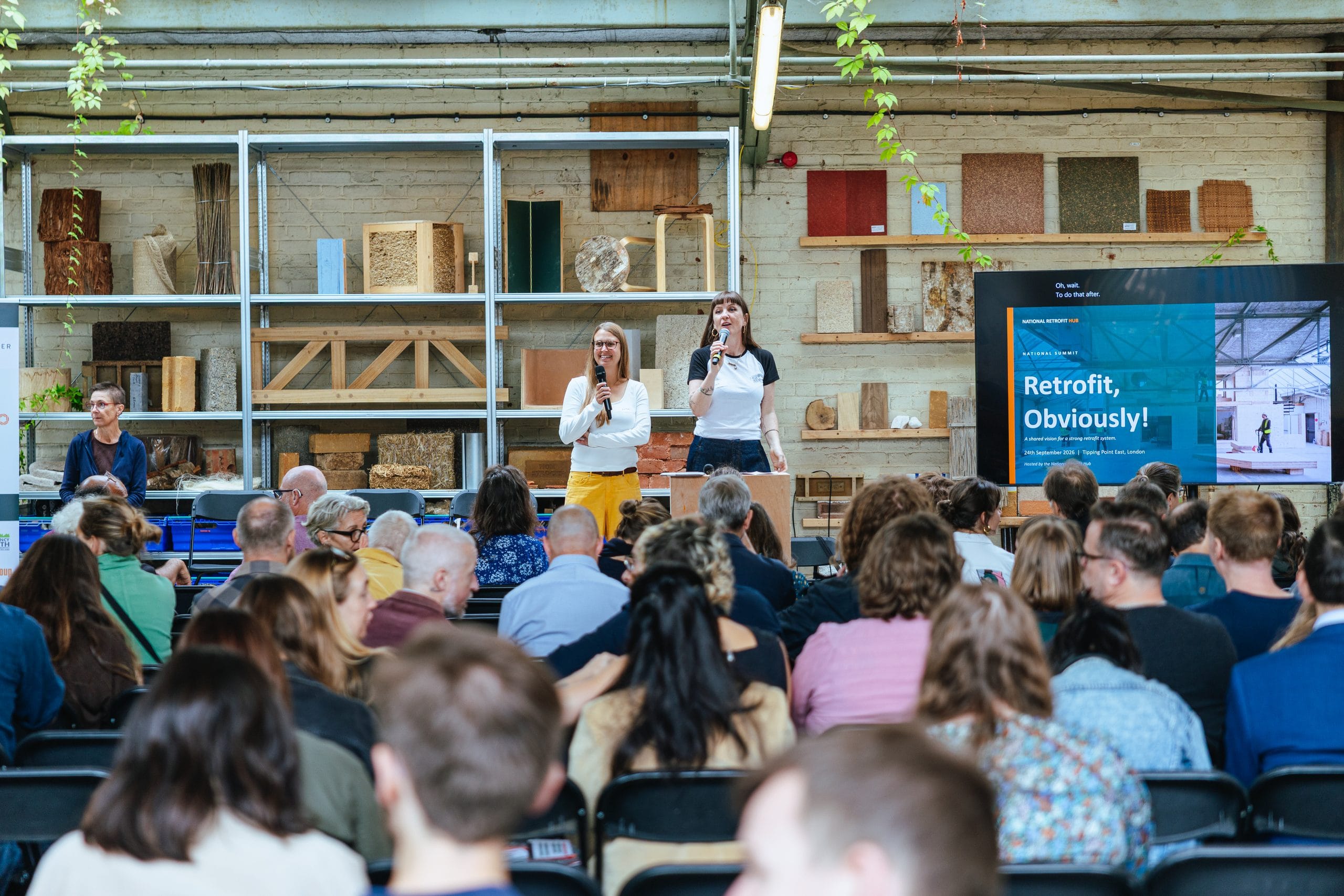
Foreword by Sara Edmonds, Co-director of the National Retrofit Hub. | Photographs by Angela Grabowska
If ever there was a year to declare “Retrofit, Obviously!”, it’s this year. In January, the sector welcomed the publication of the Warm Homes Plan with investment to the tune of £15bn. In February, the Local Power Plan was announced, allocating up to £1bn annually. And in the previous autumn, we heard news of Pride in Place, an investment of up to £5bn spread across 244 neighbourhoods. But as the year progressed, the much needed and desired detail of these significant policies has been less forthcoming, creating tension across a sector all too used to episodic and short-term funding programmes. Was the Warm Homes Plan going to become another programme developed without accounting for the experience within the sector or the needs of the people in the homes across the country so desperate for upgrading? We have arrived at a crucial moment in the retrofit world, and we felt it was time to say something about it.
The NRH works with a broad range of stakeholders across the retrofit system, and that work has painted a picture of a sector full of innovation, commitment, and determination. We know that there is a rich and deep history of delivery experience in regions all across the country. And we felt compelled to tell that story. That is the story of our Vision for a Strong Retrofit System. And what better way to tell a story that gathering people together, face to face, and adding life to the vision by platforming many of the actors whose work has inspired it.
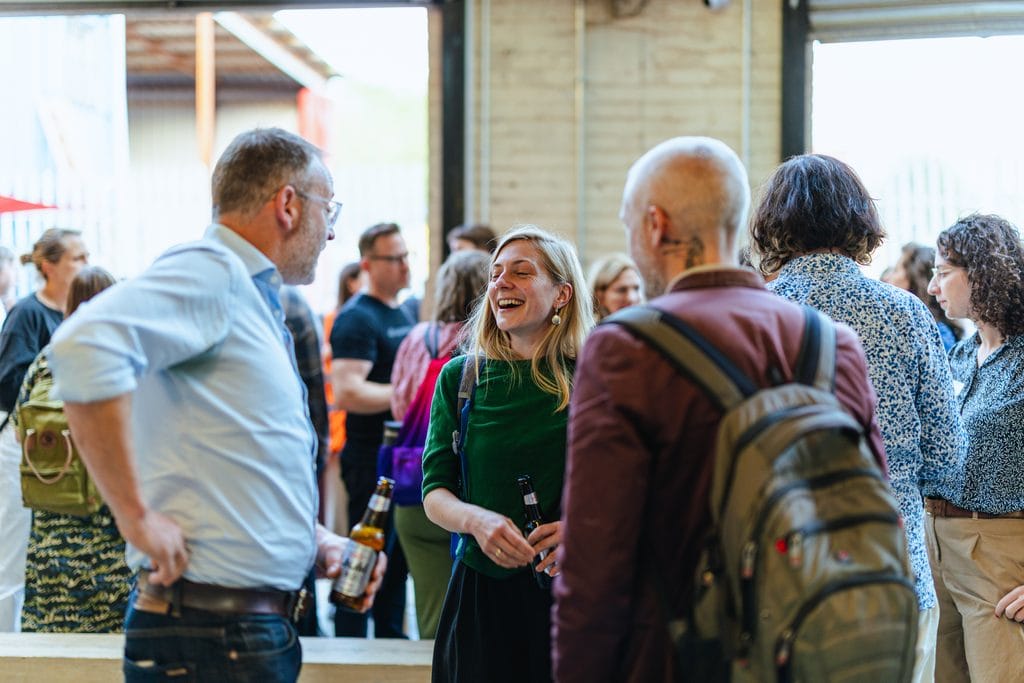
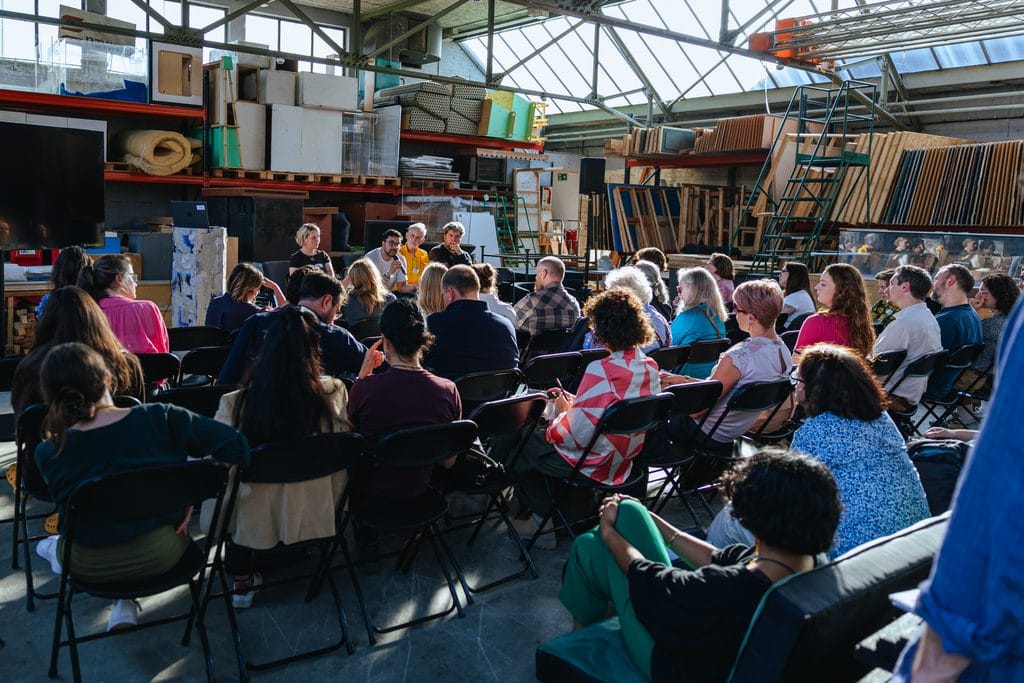
So, on Thursday, 24th September 2026, we gathered over 200 people at Tipping Point East in Newham in London, to present back to our network the vision for the strong retrofit system that the Warm Homes Plan can play a role in strengthening and stewarding. The venue was a significant location, the first circular construction hub in the UK, committed to the reprocessing ad reuse of construction material so often destined for the scrap heap, but here new life is facilitated for these materials. A real turning point.
And so too is the strong retrofit system that we are committed to. We know the sector can deliver healthier, more comfortable, affordable and resilient homes, with delivery organisations and communities playing a meaningful role in the decisions that affect them. What lies ahead is a significant challenge, but with the right support from the government and intervention where it’s needed most, we know this vision can become a reality.
Retrofit, Obviously! What will it take to change the system?
What would it take to improve homes at the scale and pace needed, while making a real difference to the people who live in them? That question brought us together for the National Retrofit Hub’s Retrofit, Obviously! Summit.
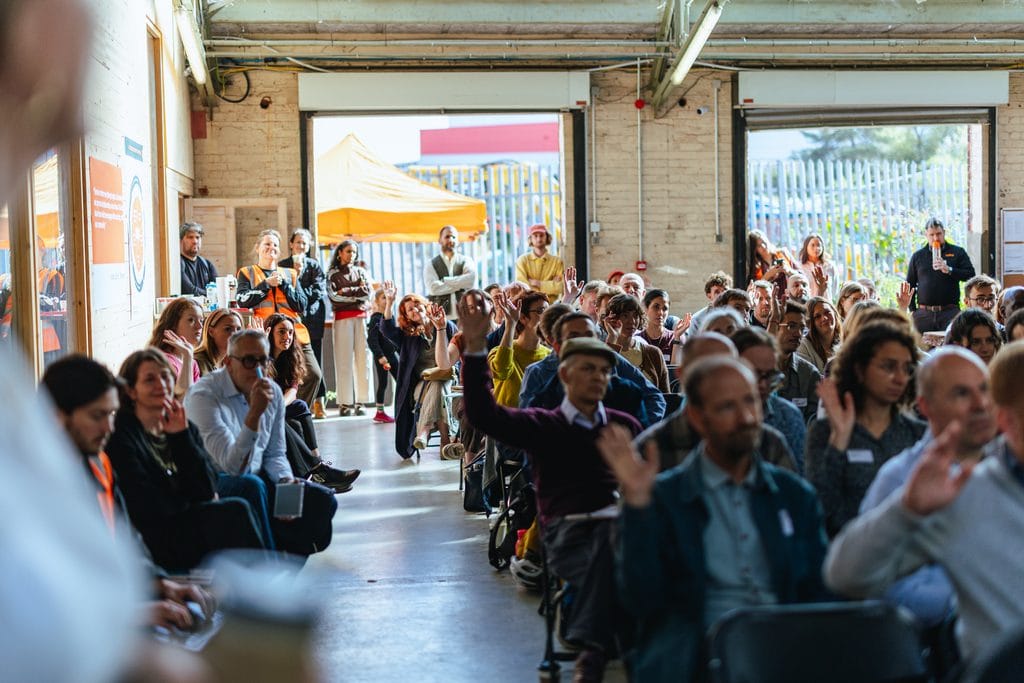
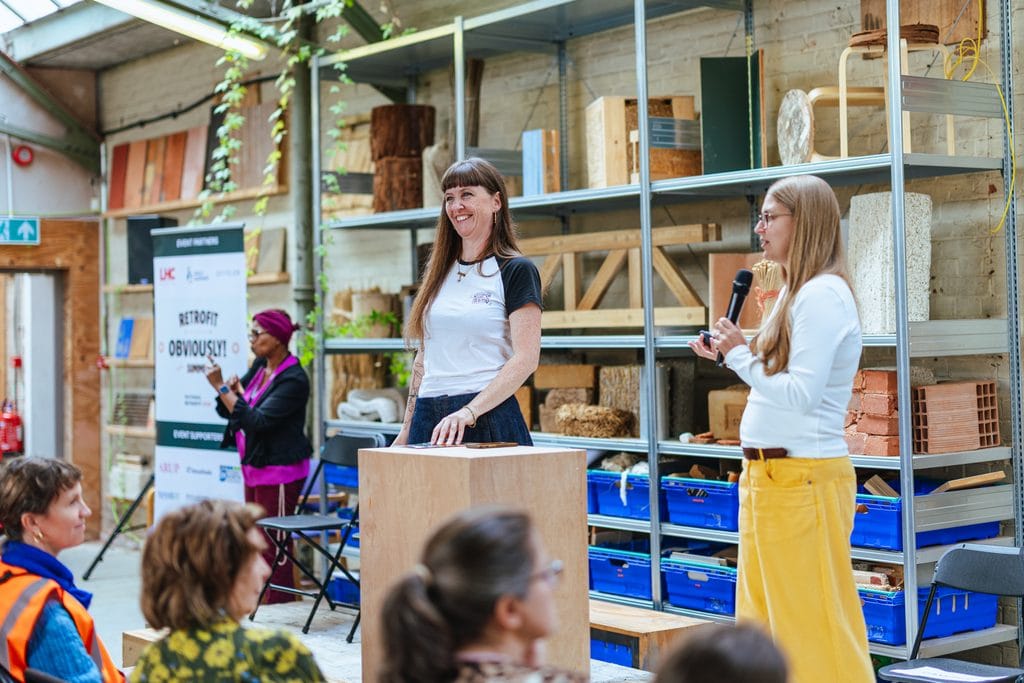
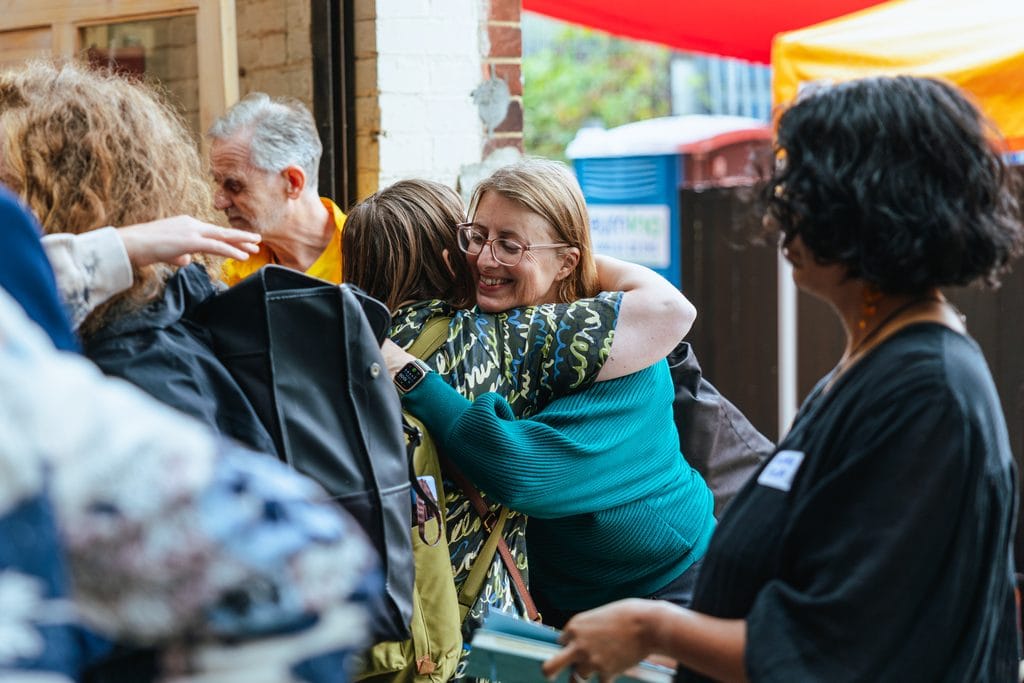
We knew the people coming care deeply about this work. What we felt on the day was something more. People were moved by what they heard and energised by the chance to talk to others who share their determination to change things. Since the Summit, the messages we have received have shown just how strongly the day resonated.
National Retrofit Hub (NRH) Chair, Lynne Sullivan OBE, opened by looking around the room and reflecting on how far the Hub has come. The Hub was founded out of frustration that, despite the sector’s commitment, homes were not being improved quickly enough. Today, that commitment has grown into a collective effort capable of reshaping how retrofit is planned, delivered and scaled. Lynne called us a “coalition of the willing” and urged us to use that collective strength to make better homes possible for more people. Lynne also asked us to think about how we use scarce resources and what we can achieve by working more closely with communities.
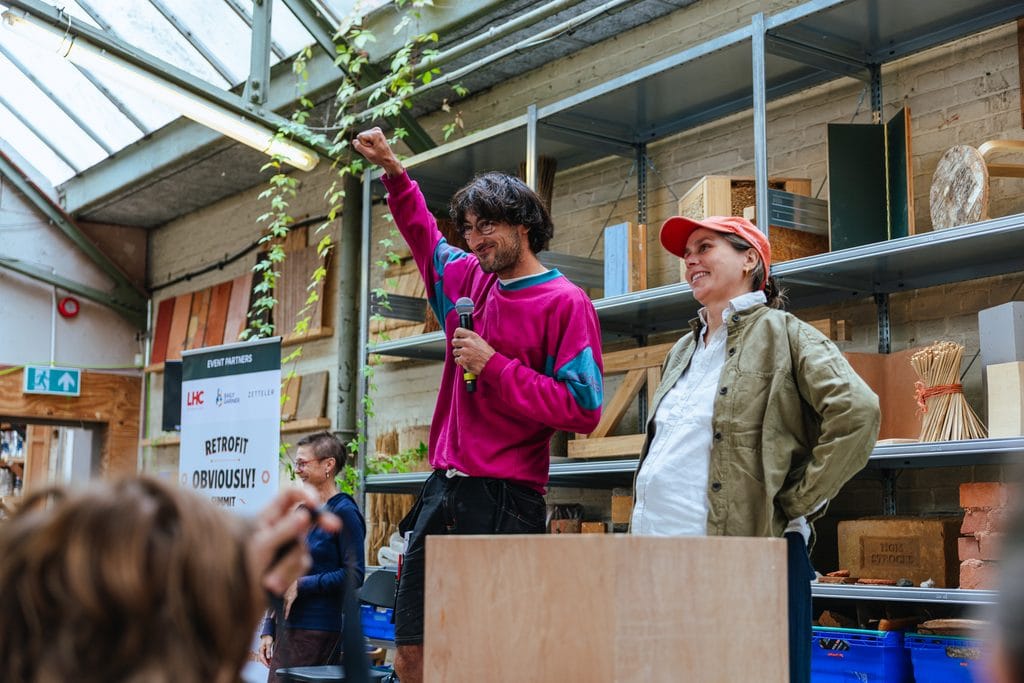
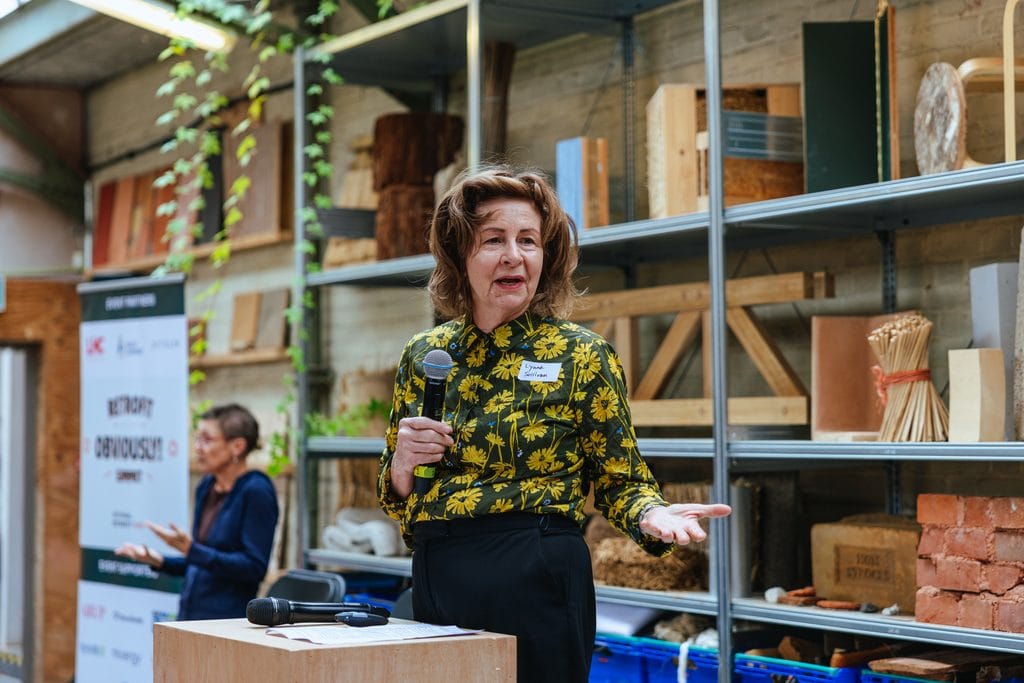
Tipping Point East was a fitting place to have that conversation. As the UK’s first circular economy hub, our hosts described how they reuse building materials and help people learn practical skills, working with local communities to share their knowledge. Their work shows that improving a building can also strengthen the place around it.
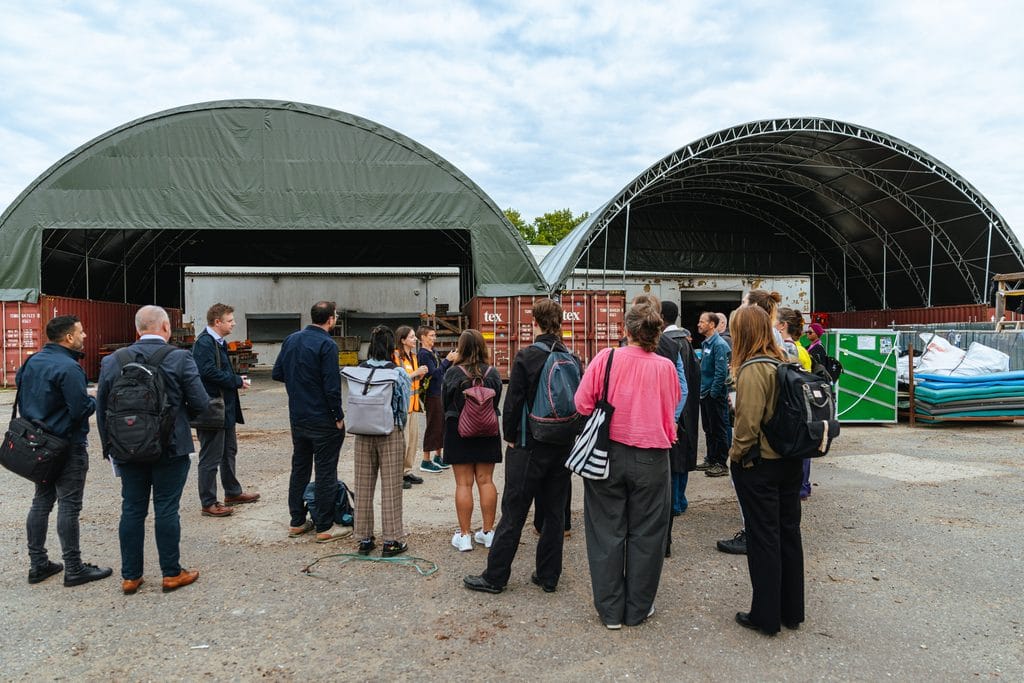
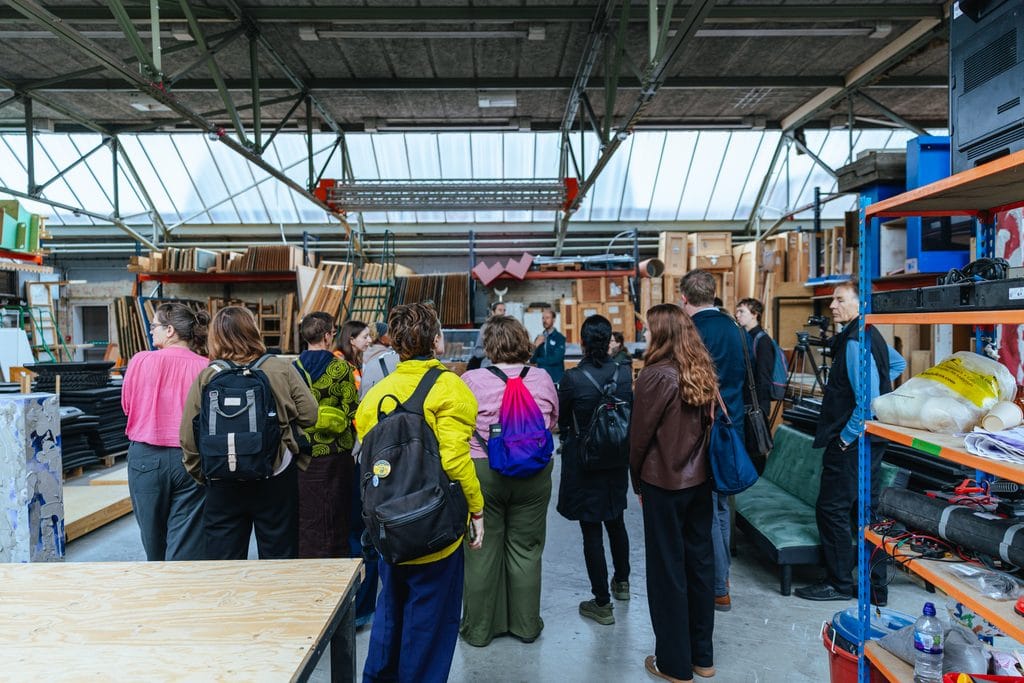
Before the days full programming kicked off, we also took the opportunity to screen the National Emergency Briefing. Professor Saul Humphrey, president of the CIOB, hosted a discussion following this to allow both the magnitude of the challenge facing us, and the opportunities for us to meet that moment to be addressed.
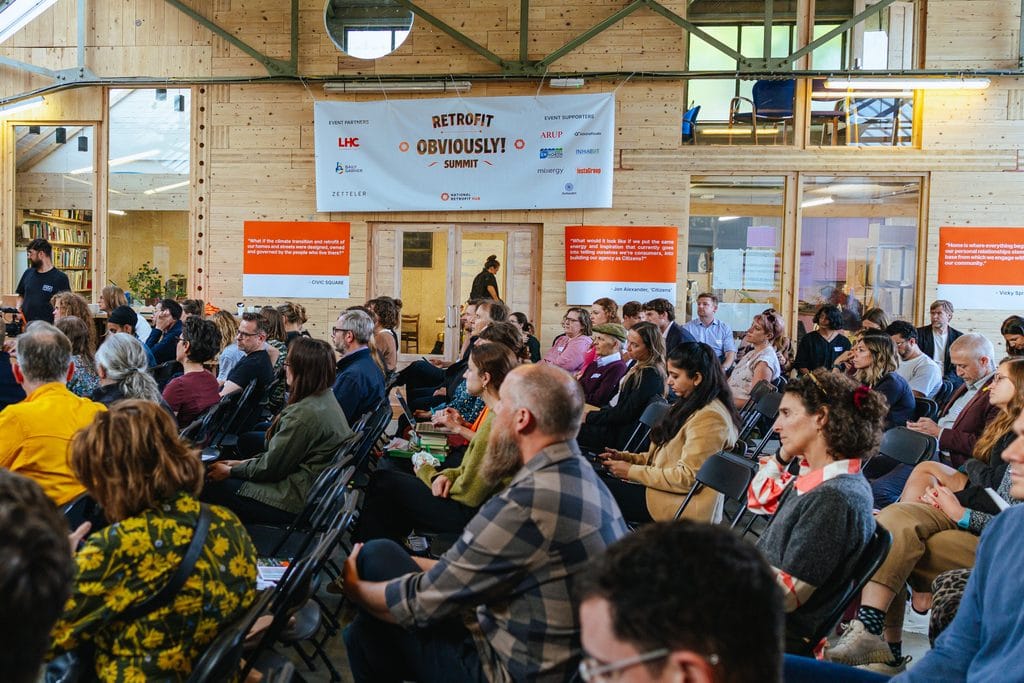
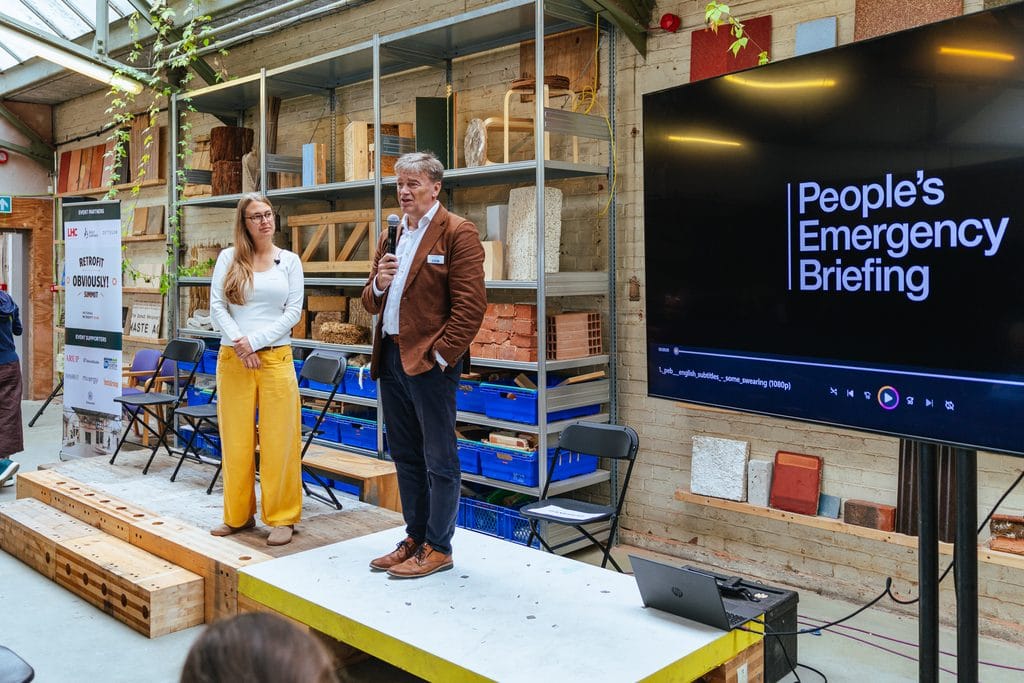
A vision for a stronger system
The Summit gave us the opportunity to launch A Vision for a Strong Retrofit System, produced in partnership with Baily Garner.
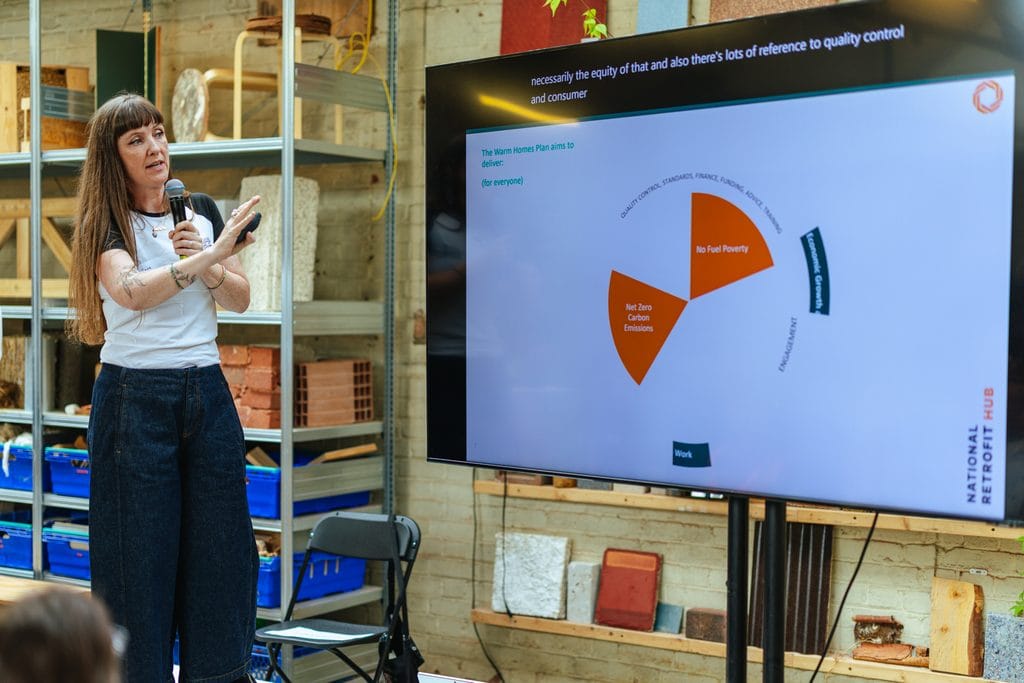
NRH Co-Director Rachael Owens set out the scale of the challenge. Many homes still need improving, and the current rate of delivery is not enough. Yet counting the insulation measures or heating systems installed will only tell us part of the story. We also need to know whether people feel the difference in their homes. Rachael explained how the report draws on evidence and experience from across the sector to consider what needs to change.
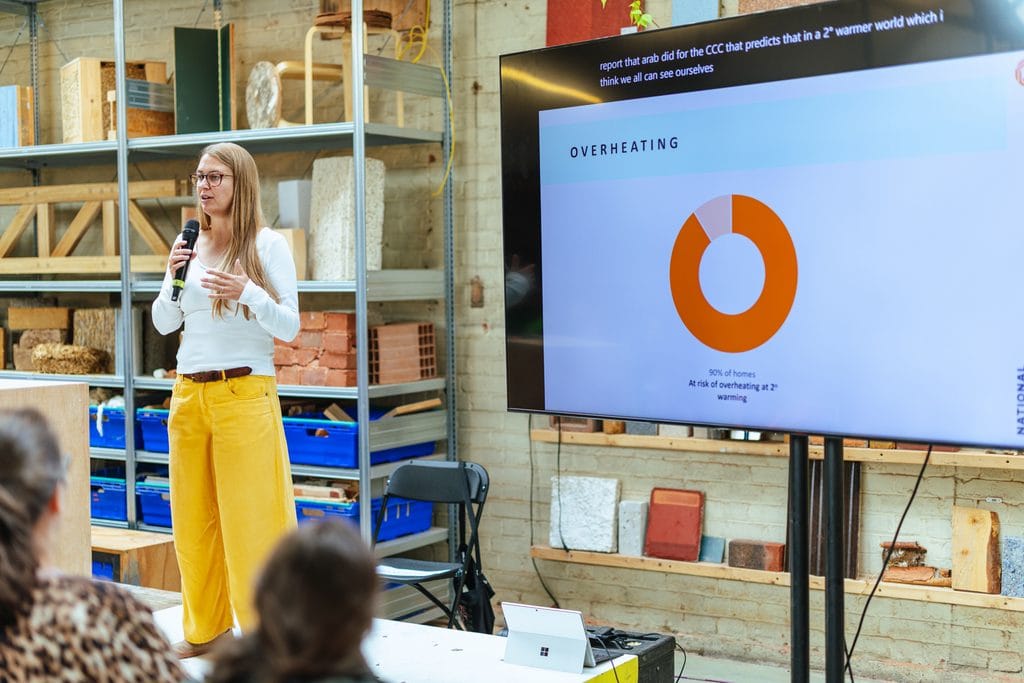
Sara Edmonds, NRH Co-Director, looked at the wider system behind delivery. Good technical work is essential, but it depends on skilled people and organisations that understand the places where they work. Relationships matter too. Retrofit is primarily a relational activity, between people at every point in the journey, from contractors, to households, to government, and beyond. If public investment is to make a lasting difference, it needs to support that capacity development alongside improvements to homes.
The report sets out seven foundations for a stronger retrofit system. It calls for long-term direction while giving places the flexibility to respond to local needs. The Government’s Warm Homes Plan is an opportunity to put that thinking into practice and build something that lasts beyond individual funding programmes.
Giving people a real part to play
Jon Alexander’s keynote asked us to think about the role people might adopt when change is needed. Drawing on his book Citizens: Why the Key to Fixing Everything Is All of Us, Jon challenged the idea that people should simply receive solutions designed elsewhere. What becomes possible when we become active participants that contribute instead?
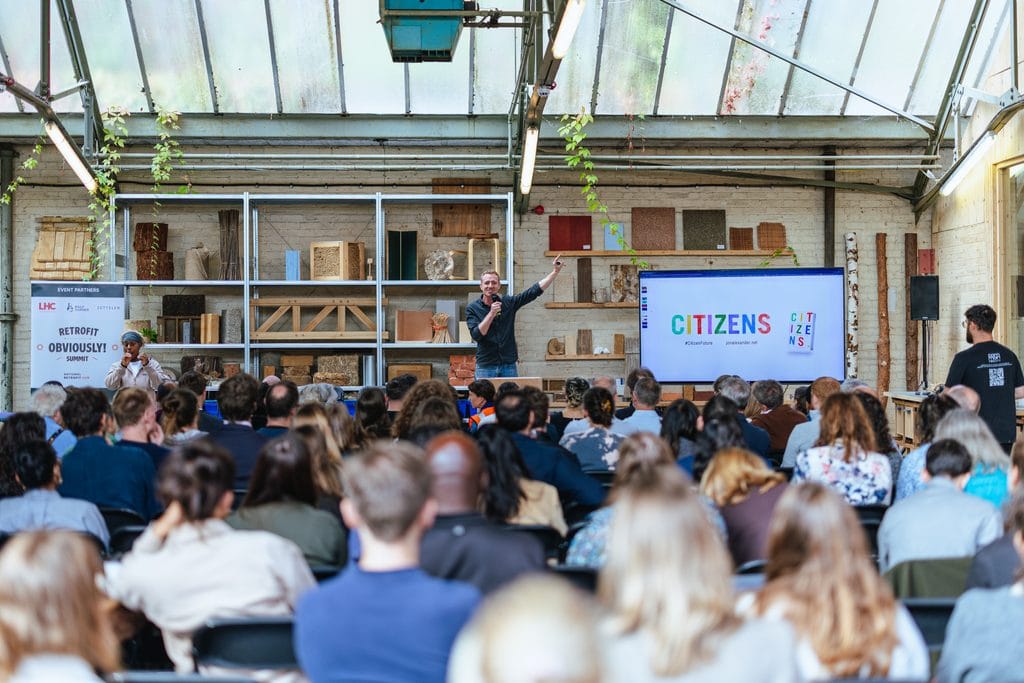
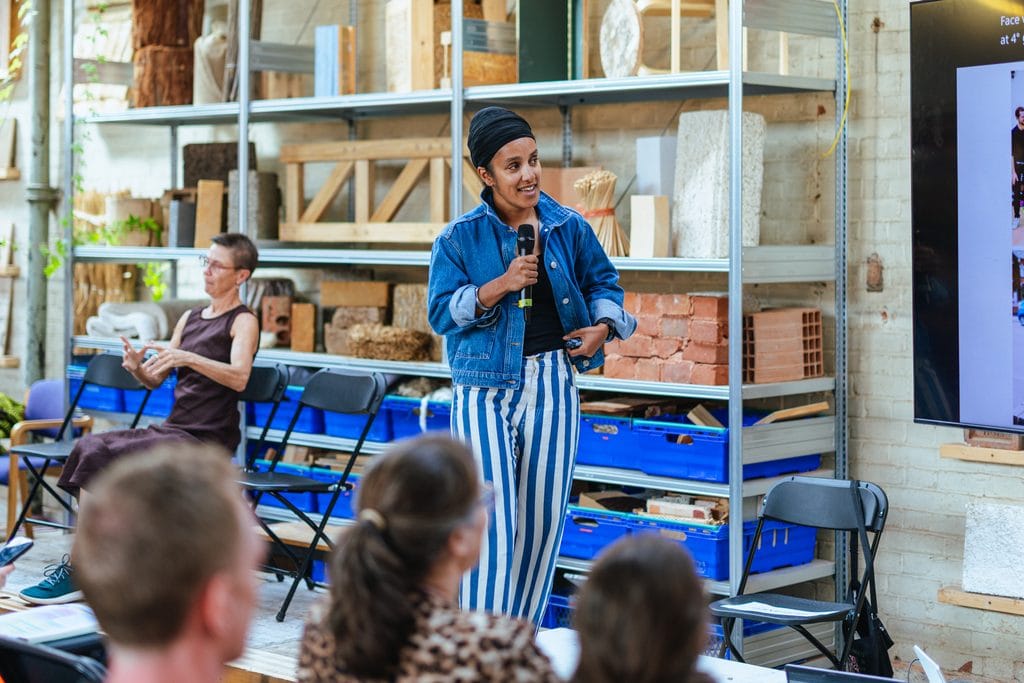
It is a question that goes to the heart of retrofit. People know their homes in ways a technical assessment cannot capture, while communities understand what matters in their neighbourhoods. Jon urged us to bring people into difficult decisions early enough for that knowledge to make a difference.
He also asked those in the room to think of themselves as part of a movement. Each of us works on one part of retrofit, but none of those parts can change enough on its own. That sense of shared purpose was felt throughout the day.
Immy Kaur began by asking us to picture a child we care about and imagine their life in 2040 or 2050. In that moment, the discussion felt more personal. The future we usually talk about in terms of targets and timelines suddenly became about real people, our loved ones, and the lives they will lead.
Immy spoke about what it means for communities to care for their neighbourhoods, including work that often sits outside retrofit funding. Her examples took us beyond improvements to individual houses and asked what people might need at street level. When communities have the resources to make decisions together, they can develop answers that reflect how their neighbourhood actually works.
Jon and Immy approached this in different ways, but both left us with the same challenge: if we want people to help shape a better future, we have to open up opportunities to enable meaningful participation in building it.
Looking beyond the measure installed
In the afternoon, the Health & Homes strand explored how we know whether retrofit has worked for the people living with the results. Energy savings matter, but they do not tell us enough about conditions inside homes. Speakers discussed the impacts of overheating and a range of pressures that effect our collective health and wellbeing. There was also emphasis on the need to understand homes before work begins, and measure the impact after the work has taken place.
They also considered what we learn afterwards. Measured performance tells us how a home behaves, while residents can explain what those conditions mean in daily life. We need both if we are to understand what works and improve the way we practice.
The Procurement & Social Value strand looked at decisions made before work reaches a home. How can organisations be clearer about the benefits they expect institutions and suppliers to deliver? How do they find out whether those benefits reached local people? And where is the power in decision making? The discussion explored the value of partnerships and the need to learn from what happens during delivery.
Both strands raised questions that deserve more space, so we will share fuller write-ups of those conversations, and recordings of each session.
Changing the national conversation
Journalist and author Vicky Spratt joined us for the final fireside chat. Her book Tenants tells the stories of people living with the consequences of Britain’s housing crisis, bringing a vital reminder of why improving homes must remain at the heart of the retrofit conversation.
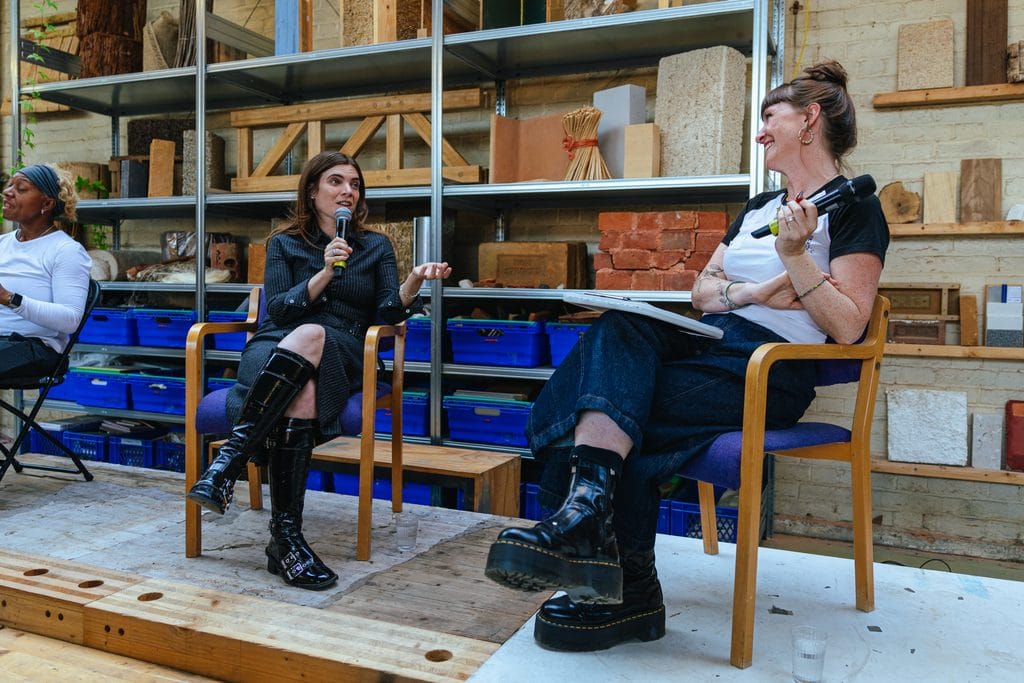
There is wisdom and experience enough in households to know that homes are too cold or damp, without the complex language often used in the retrofit sector. Vicky spoke about listening to the experiences of communities and making examples of better homes more visible. The conversation also turned to how we keep bringing practical ideas to government, while understanding the pressures many local authorities face.
Before we left, we asked all those who joined us to mark where they already make a difference in the retrofit system and also what needs to change for them to do more. It was a way of taking the day’s conversations beyond the room and beginning to see where we can act together.
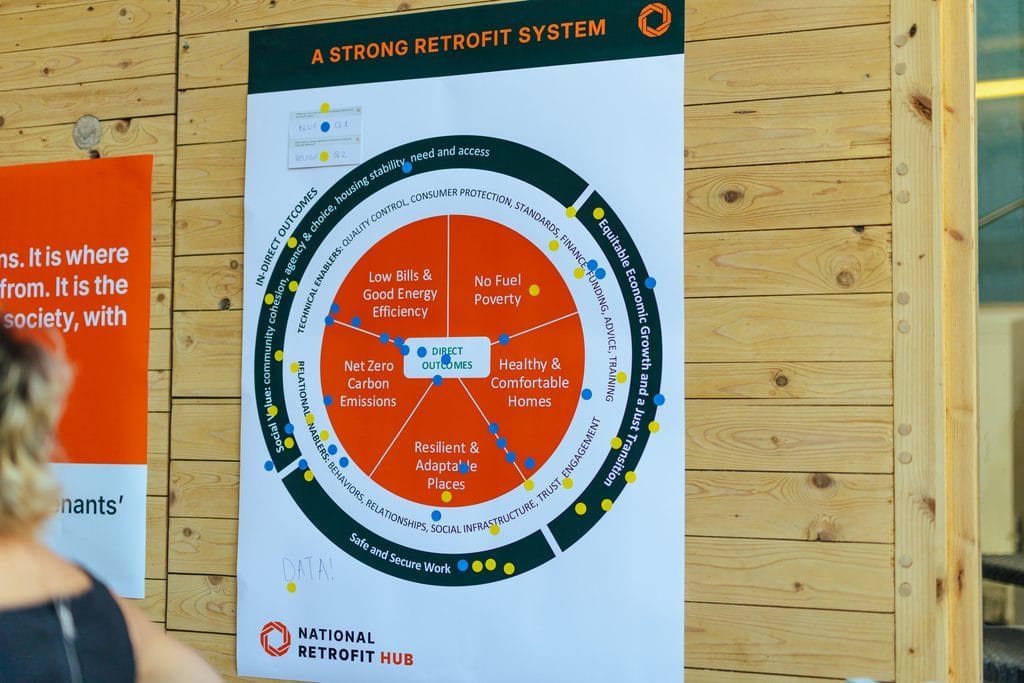
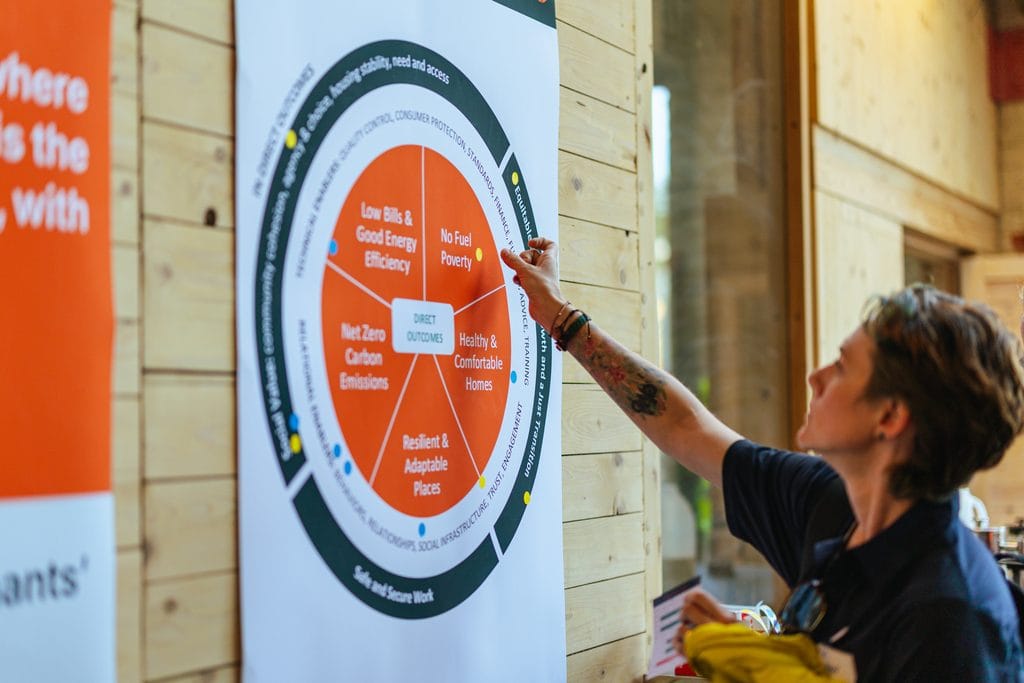
Our deepest thanks to everyone who joined us and gave so much to the day. The feedback since has meant a great deal to our small team. We launched a report that sets out this shared vision, but the Summit was also a reminder of the people ready to make it happen. That is what we want to carry forward.
Read A Vision for a Strong Retrofit System.