A stronger system for better homes
The UK has an important opportunity to change how homes are improved. The Government’s Warm Homes Plan represents a welcome commitment to helping more people live in comfortable homes that cost less to run and are better prepared for a changing climate.
Delivering individual programmes will not be enough on its own. Short-term funding has made it difficult for organisations to retain skilled teams and invest with confidence. Fragmented approaches have also limited the relationships and local capability needed for consistent delivery across every tenure and locality.
A Vision for a Strong Retrofit System examines what needs to change. It draws on the National Retrofit Hub’s work with people across the retrofit system and provides a practical framework for lasting transformation.
What the report explores
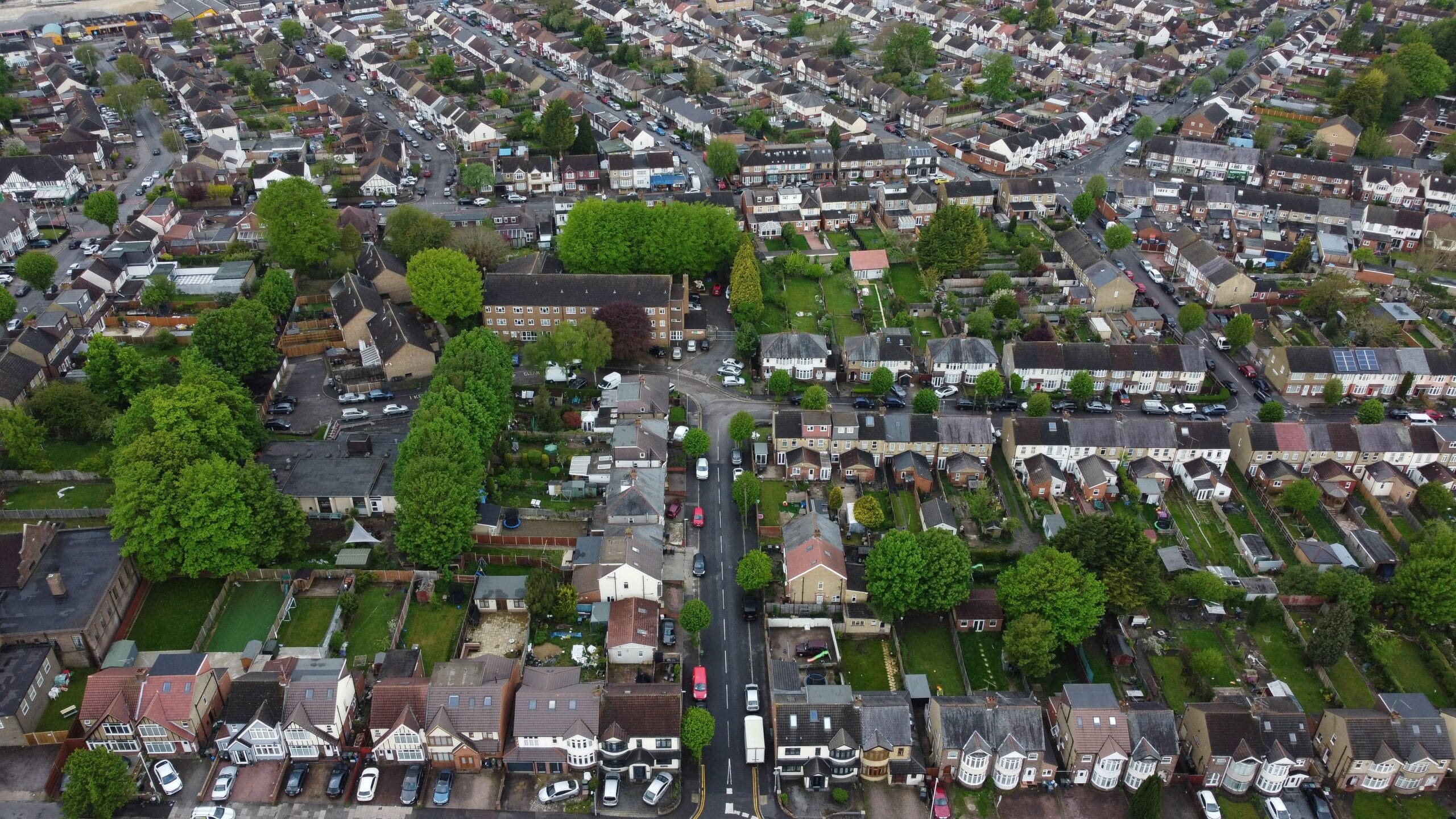
The report begins by considering the wider pressures that the retrofit system must respond to, including the condition of the UK’s homes, continuing energy affordability challenges and the growing need to prepare communities for a changing climate.
It then examines why the current system struggles to sustain progress. Short funding cycles and disconnected programmes have limited the sector’s ability to retain skills and build the capacity needed for long-term delivery.
Drawing on the National Retrofit Hub’s State of the Nation work, the report looks at the gap between the scale of the challenge and our current ability to respond. It makes the case for a system that connects technical requirements with the relationships and local knowledge needed to make delivery work.
Examples from the NRH’s work show that change is already beginning. The report then brings its findings together through seven foundations for a stronger retrofit system.
What the report calls for
The report calls for a long-term national commitment that allows local delivery to grow and adapt. People with practical experience should be involved when policy is designed, while success should be judged by how homes perform for the people living in them rather than only by the number of measures installed.
A strong retrofit system should create homes that support people’s health and are affordable to run. It should also build local capability, support secure employment and help communities prepare for a low-carbon future.
Seven foundations for change
- Long-term direction. A clear national vision that gives organisations the confidence to invest and build capacity over time.
- Local flexibility. The freedom for local areas to develop place-based approaches that respond to their buildings and communities.
- Shared decision-making. A meaningful role for delivery organisations and communities when policy and programmes are shaped.
- Whole homes and neighbourhoods. An approach that considers the needs of the whole home and its wider neighbourhood rather than focusing on isolated measures.
- Outcomes that matter. A broader understanding of success based on people’s experience and how their homes perform.
- Lasting capacity. Public investment that develops the people and partnerships needed to support capital works.
- Quality and confidence. Quality assurance supported by better information, effective coordination and proportionate oversight.
Who the report is for
The report is for anyone with a role in shaping, funding or delivering better homes. This includes government, housing providers, local authorities, retrofit professionals and community organisations.
It will also be useful to people working in related areas such as health and skills, as well as those interested in how retrofit can reduce energy costs, support local economies and help communities prepare for a changing climate.
The future system is already emerging
A stronger retrofit system will not be created by one policy or organisation. It will develop as different parts of the system begin to work together more effectively.
The report features four examples from the National Retrofit Hub’s work: the Community Health Impact Assessment, work to inform Minimum Energy Efficiency Standards in the private rented sector, Place-Based Retrofit and Retrofit Connect. Each example shows how practical knowledge and lived experience can improve decisions while building capacity that lasts.
Read A Vision for a Strong Retrofit System
Download the report and consider the role you or your organisation can play in strengthening the retrofit system.
Report partner
This report was produced in partnership with Baily Garner, whose support is helping the National Retrofit Hub share its findings with the wider retrofit sector.
Baily Garner is delighted to be sponsoring the National Retrofit Hub’s flagship Retrofit, Obviously! Conference and to co-author NRH’s timely, much-needed report on the benefits of an integrated retrofit system. Baily Garner is in full alignment with the event’s call to action to serve as a catalyst to bring together the various constituent parts of a fully functioning, effective and advantageous retrofit system for all. The report calls for an integrated, systems approach exploring how a shared retrofit system driven at all levels can unlock healthier homes, thriving places, long-term jobs and economic opportunity, and delivery of required carbon and energy savings at scale. In our role as an official partner and supporter of the National Retrofit Hub, providing advisory, technical support, and practical boots-on-the-ground delivery for key government-backed decarbonisation schemes like the Social Housing Decarbonisation Fund (SHDF) and Warm Homes: Social Housing Fund (SHF), we take great pleasure in supporting the event and report.