


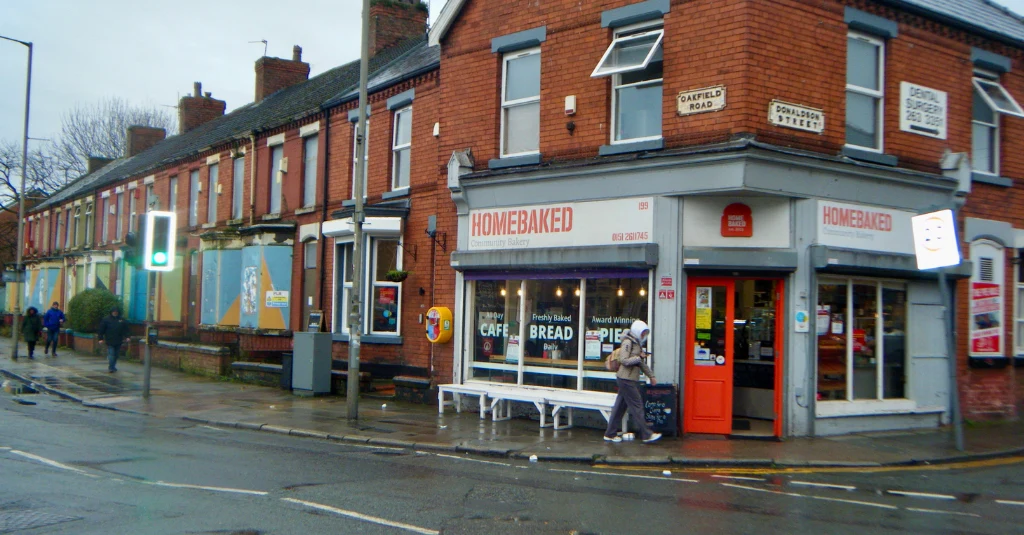
Introduction by Sara Edmonds – Co-Director, National Retrofit Hub:
As part of our Retrofit Connect programme, spending days together visiting innovative community initiatives is a vital part of the learning. Though related to retrofit, the innovation in these communities is multi-stranded and multi-dimensional; and hard to capture in one single report or profile. What follows is a story number two in a series of three blog pieces written by Talisa Denny, project coordinator in the NRH, which paint a picture of the beautiful complexity and deep roots of just some of these groups. Read on to hear about the places and people where real change is rooted and has the potential to be transformational beyond their boundaries, but learning for us all.
STORY NUMBER TWO | Homebaked CLT, Anfield
By Talisa Denny – Project Coordinator, National Retrofit Hub
RETELLING LAND AND HOUSING STEWARDSHIP STORIES AT HOMEBAKED CLT
Retrofit belongs to more than homes and buildings; it belongs to our neighbourhoods. We need a new politics around land, housing and retrofit which represents the care for neighbourhoods taken by communities.
On a neighbourhood walk of Anfield, Homebaked CLT described living in the shadow of a large football stadium, their struggles with the local authority, low market values, and decades of broken promises for regeneration and investment. The situation has meant that many families have been displaced, and demolition sites left in the wake remain vacant. Residents know that not all investment is good investment, witnessing an increase in HMOs and Airbnb’s designed to extract profit, and newbuilds which harbour the same issues with damp and mould as the houses which they replaced. As a community land trust, Homebaked CLT is working collectively to improve their neighbourhood and bring assets into community ownership. Having secured the local bakery building through a community land transfer and supported their first community business, the group sought to acquire and retrofit the adjacent terraced homes. Instead, the terraces will be sold by the council on the open market to a developer.
“Society has taught us to believe that we can’t do this on our own, as a community” – Tom, Homebaked CLT
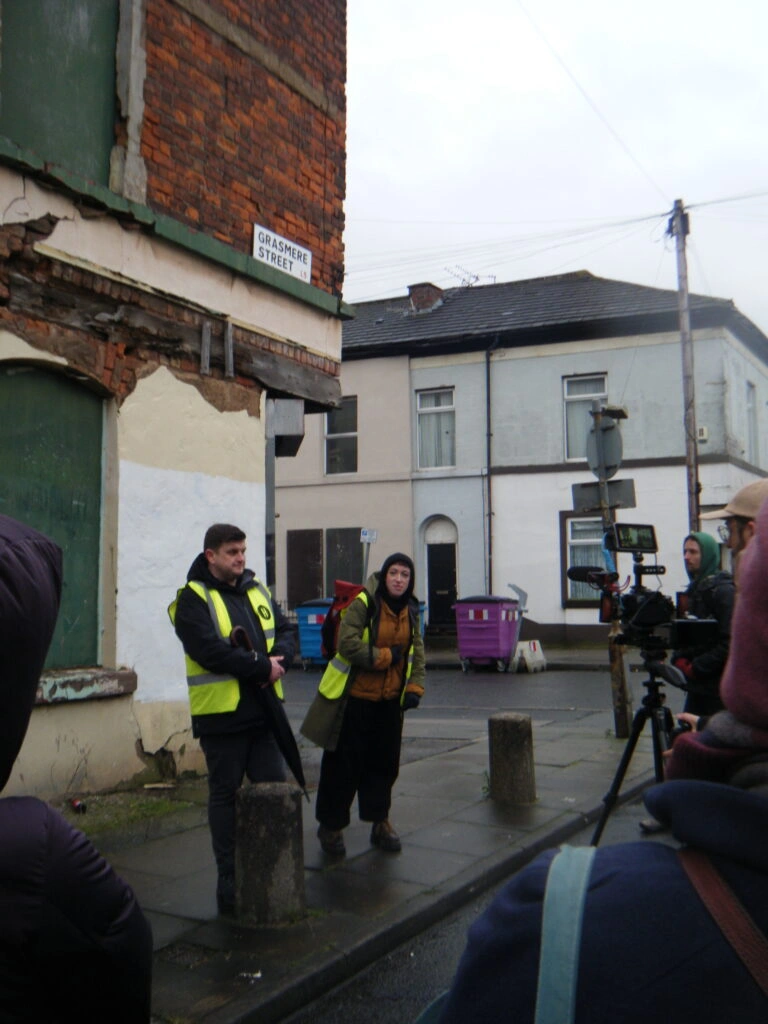
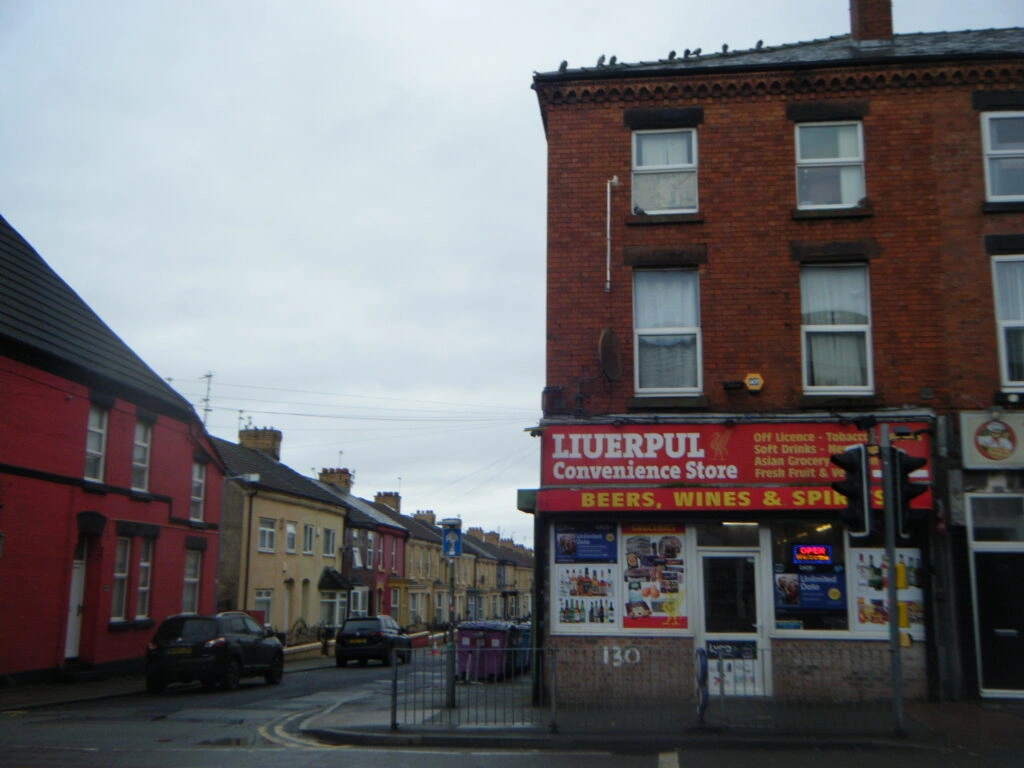

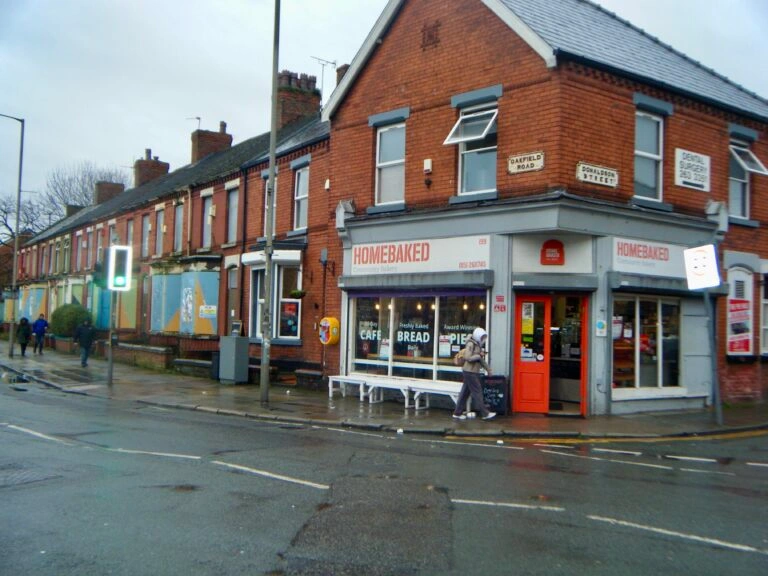
Struggles with decision-makers was a recurring theme throughout the visits. Because of low-market values, retrofit is often seen by developers as a no go since it will put them into negative equity. This is the result of a land and housing system which encourages us to view housing as a means to make money, rather than a place for families to live and thrive. Financial value is prioritised, while social, cultural and ecological value are expensed. Meanwhile, community organisations are present and ready to deliver this value yet are left overlooked.
The Warm Homes Plan suggests that place-based means that more decisions on retrofit will be taken by local authorities to reflect local needs and desires. Too often, the ‘local’ is often mistaken as a marker of grassroots democracy and ownership of decision-making. Decisions about housing are often devolved to local authorities with the assumption that they represent the voice of the community, yet local politics remains overlooked and citizen voice is crowded out. Place-based approaches to retrofit can’t simply be a reshuffling of where top-down decisions are made, from London to individual places. It needs meaningful community involvement and influence, and an ability to shape outcomes within their neighbourhoods unfettered by external profit motives or favoured market-based solutions.
Picking up the threads, alongside Kitty’s Launderette, Homebaked CLT illustrates that communities are more expansive than just the spaces in which neighbours come together and organise. They have reach. Between neighbours, care spills out onto the street. This informal politics of care and reciprocity should characterise our approach to land and housing.

