


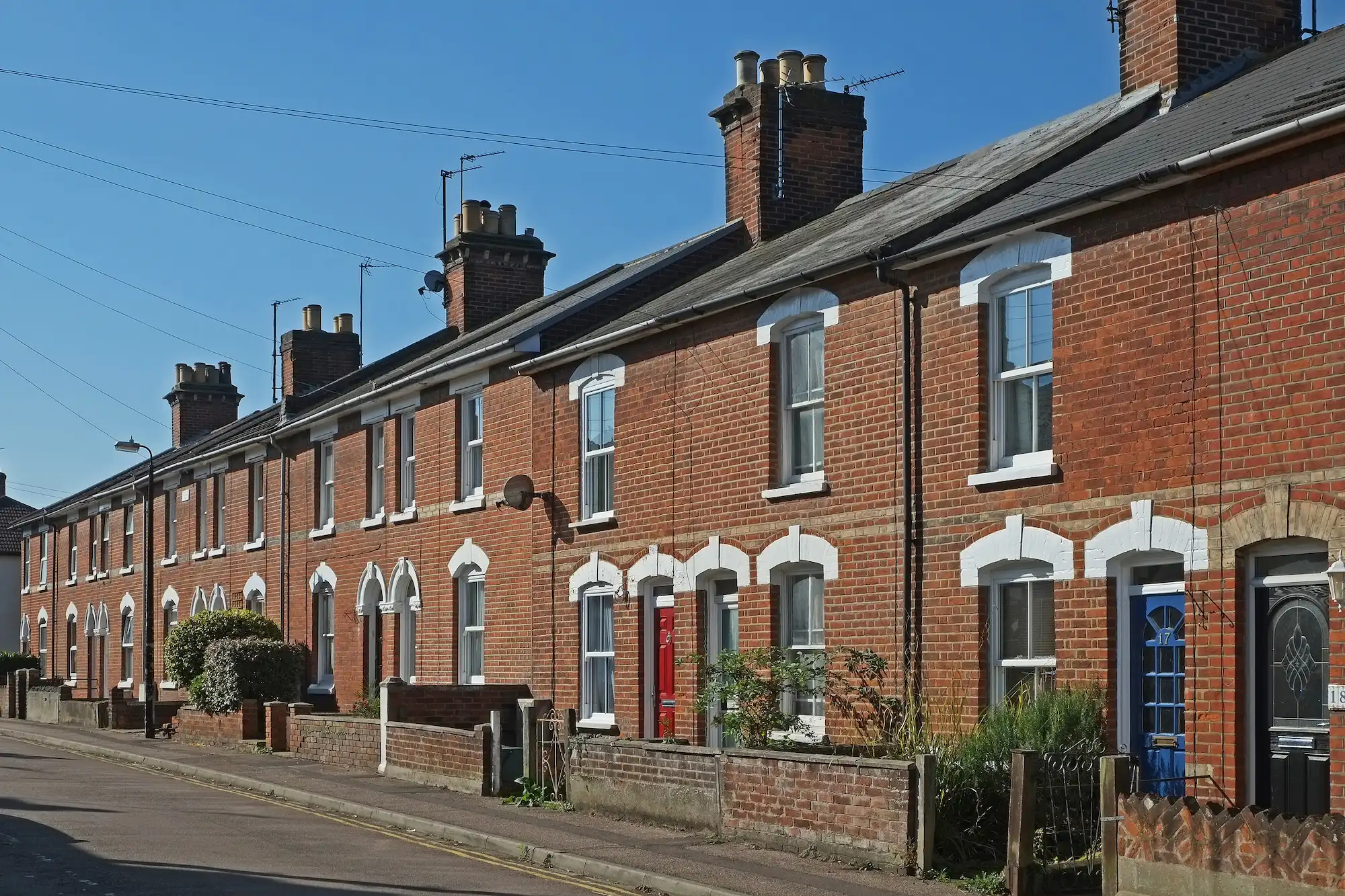
A pathway to equitable and effective retrofit
Private rental sector retrofit needs to improve homes for tenants while addressing the barriers landlords face when investing in their properties.
Developed in collaboration with Impact on Urban Health, Raising Standards in the Private Rental Sector: A Pathway to Equitable and Effective Retrofit explores how to achieve this.
Published in February 2025, the report brings together research and stakeholder perspectives. It proposes policy changes and practical support to encourage high-quality improvements to rented homes.
Why focus on privately rented homes?
Poorly performing homes can be expensive to heat and difficult to keep comfortable. Yet tenants often have limited control over improvements to their property.
Landlords also face different challenges. Some struggle with upfront costs, while others need clearer advice about suitable work and their responsibilities.
The report examines these issues within the wider housing system. It explores how stronger standards and targeted support can improve homes without leaving private renters behind.
Evidence behind the report
The report draws on published evidence about housing conditions and tenants’ experiences:
- English Housing Survey 2022–23: Recorded 4.6 million privately renting households in England. This figure covers England rather than the whole UK.
- Citizens Advice: Through the Roof: Examined renters’ experiences of rising costs and persistent disrepair.
- Generation Rent: Energy Efficiency in the Private Rented Sector: Informed the discussion of energy affordability and the need for improvements.
These sources provide context for the research published in February 2025. They should not be read as a snapshot of conditions today.
What informed the research?
NRH reviewed existing evidence and gathered perspectives through stakeholder workshops and discussions with government representatives.
Tenant groups and landlord associations contributed alongside local authorities and industry experts. We then tested policy proposals through eight interviews with landlords and a local authority roundtable.
The interviews explored different landlord circumstances, including property ownership and access to finance. They provide insight into participants’ decisions rather than statistically representing all landlords.
What does the report cover?
Understanding landlords’ decisions
The research explores why landlords invest in their properties and what influences their willingness to make energy improvements.
It considers how financial circumstances and investment priorities affect those decisions. This helps identify where different forms of support could encourage action.
Setting stronger standards
The report calls for ambitious and achievable Minimum Energy Efficiency Standards (MEES). It argues that market forces alone are unlikely to deliver the improvements tenants need.
Clear policy direction can help landlords plan ahead and give the retrofit sector greater confidence to invest.
Providing advice and suitable finance
Landlords need accessible information about improving their homes and funding the work. The report explores financial options alongside practical advice.
It also considers how letting agents and other organisations can help landlords access support through existing relationships.
Strengthening enforcement and tenant protection
Clear requirements need effective enforcement. The report recommends better information for landlords and tenants, alongside adequate resources for enforcement bodies.
It also considers how to assess outcomes after work finishes, so improvements deliver their intended benefits.
Who is this report for?
The report supports policymakers and organisations working to improve privately rented homes. It is also relevant to landlords and local authorities, alongside tenant representatives and retrofit providers.
Use it to understand barriers to improvement and explore how policy and support can respond to different needs. It provides a proposed pathway for change rather than a technical guide to carrying out retrofit works.
Read the report
View or download a copy below of Raising Standards in the Private Rental Sector to explore the findings and recommendations.
The report reflects the evidence and policy context in February 2025. Read its discussion of proposed legislation and funding schemes in that context.
Explore our subsequent research
This report informed NRH’s continuing work on improving privately rented homes.
MEES consultation response
Read NRH’s contribution to the 2025 consultation on improving energy standards in privately rented homes in England and Wales.
Read our MEES consultation response.
Delivering for Tenants
Explore recommendations on the standards and monitoring needed to deliver meaningful improvements for renters.
A pathway to affordable, healthy and robust homes
Our October 2025 report examines the wider conditions needed for effective MEES implementation. It considers affordability and tenant protection, alongside the support needed for good-quality delivery.
Read MEES: A Pathway to Affordable, Healthy and Robust Homes.
Frequently asked questions
What does retrofit mean for a rented home?
Retrofit means improving an existing building’s performance. Suitable work depends on the home and its occupants. An appropriate assessment helps identify which improvements are needed and how they should work together.
Why does the report examine landlord behaviour?
Landlords have different financial circumstances and reasons for owning property. Understanding these differences helps identify advice and support that can encourage them to improve rented homes.
Does the research represent all landlords?
No. The report combines wider evidence with stakeholder engagement and eight landlord interviews. The interviews offer insight into particular experiences rather than statistically representing all landlords.
Is this a step-by-step guide to improving a property?
No. The report proposes policy changes and support to encourage retrofit across the private rented sector. It does not replace an assessment or improvement plan for an individual home.
Does this report explain current legal requirements?
No. It presents research and recommendations published in February 2025. Check current official guidance when making decisions about legal duties or compliance.

