


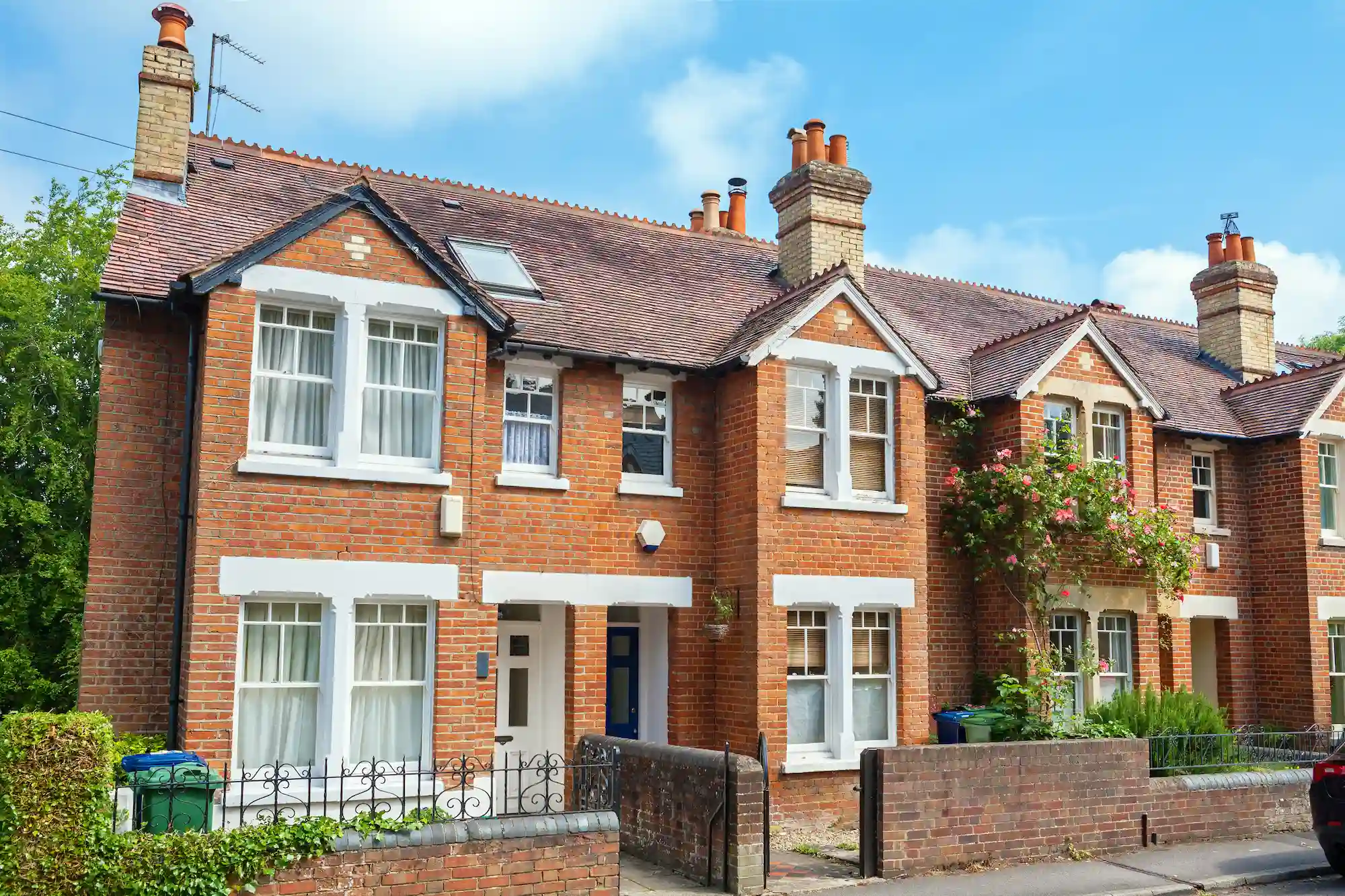
CIVIC Square helped create a Doughnut Portrait of Ladywood, a neighbourhood in Birmingham. This case study shows how a Doughnut Portrait can link what a neighbourhood needs with the materials, skills and supply chains that retrofit depends on.
What is a Doughnut Portrait?
A Doughnut Portrait is a participatory tool. It helps communities and practitioners identify local needs, and then line up neighbourhood ambitions with planetary boundaries and with responsibilities to communities elsewhere in the world. In other words, it asks what a place needs to thrive without taking more than its fair share.
From portrait to materials strategy
CIVIC Square then worked with architects at Material Cultures to take what they learned from the Ladywood portrait further. As a result, the learning fed into Building Skills: A Material Strategy for Birmingham and the West Midlands, which also covers local skills building.
Why local materials matter
When procurement includes regionally sourced materials, it can connect regional producers and manufacturers with local construction. This shows how a place-based strategy can strengthen local and community economies. At the same time, it builds fair, two way relationships with other places and sectors.
Crucially, shorter, locally rooted supply chains can also cut embodied carbon and other environmental impacts. So, the Ladywood work treats retrofit as more than a technical upgrade. Instead, it becomes a way to build local wealth, skills and resilience.
Find out more
This case study features in our resource Understanding Place-Based Retrofit: Key Definitions and Principles. You can also read more about CIVIC SQUARE’s wider work in Birmingham, or explore our Place-Based Approaches theme.

